We’re working to make that possible.
In India’s cities, 25.7 million people live in multidimensional poverty, trapped not just by low income, but by systemic barriers to safety, dignity, and opportunity.
Among them are 1.5 -4 million people who survive primarily through waste-picking, largely from marginalized caste communities. They collect and sort the waste that keeps our cities functioning, yet their work rarely leads to stability or recognition.
For many, waste work isn’t a choice but a fragile fallback, one of several precarious jobs that barely sustain a household. There is a Dream Gap existing in here: the distance between what people hope for and what they’re forced to accept; between working endlessly to survive and having the safety to dream beyond tomorrow.
Here’s what we’ve seen first-hand: income alone doesn’t close it. A household can double or triple its earnings, gain a formal wage, even paid leave for the first time – and still be pulled back by a single health emergency or one cycle with a moneylender. The real barrier isn’t just what people earn; it’s whether they have the awareness, access, and safety nets to hold on to progress once they make it.
At Foundation Without, we’re helping create opportunities rooted in dignity, agency, access, and decent living standards for all. We begin with waste-picking communities, where our experience through Without® has already built real trust and proximity.
But our mission reaches further – to help all informal urban poor households build secure, dignified, and self-determined lives.
Because no one should have to trade their dreams for survival.
Foundation Without extends the philosophy of Without®, taking the same belief that business can be made without exploitation, and applying it to how society itself can be rebuilt without poverty.
We exist to help people move from survival to stability, and from stability to self-determination – building pathways of agency, safety, and dignity where they’ve been hardest to find:
Survival – unstable income, no safety net, every shock is a setback
Stability – steady income, entitlements accessed, health and financial protection in place
Self-Determination – agency, dignity, and the ability to plan, not just cope
We help households climb the informal urban poor ladder; not by shortcuts, but by building each step so it holds.
A thriving world made without poverty, where every person has dignity, equal opportunity, and access to education, healthcare, and decent living standards, while contributing positively to the planet.
To increase the value of waste ethically by using technology to convert it into high-quality, scalable, and planet-positive resources, while deeply empowering and formalizing the informal economy that drives the industry.
To graduate informal urban poor households, starting with India’s waste-picking communities, into secure, dignified livelihoods that enable agency, safety, and stability in their lives.
Before Foundation Without was born, the roots of our impact were already growing inside Without® – supporting waste workers and their families with dignity-centred, formal livelihoods. The latest impact report of Without captures that early journey.
We’re just beginning.
We’re adapting the BRAC graduation model – proven over decades with the rural ultra-poor – for a different context: urban, moderately-poor informal-worker households who already have some income but need coordinated support to hold onto it. We’re testing an integrated approach to multidimensional poverty (MDPI) that addresses income, health, education, and entitlements together, rather than one at a time.
We’ve selected our pilot cohort of 30 households in Bhosari MIDC, built our core team, and are now running phased interventions across health, education, entitlements, and standard of living, some directly and some in partnership.
What we have done so far:
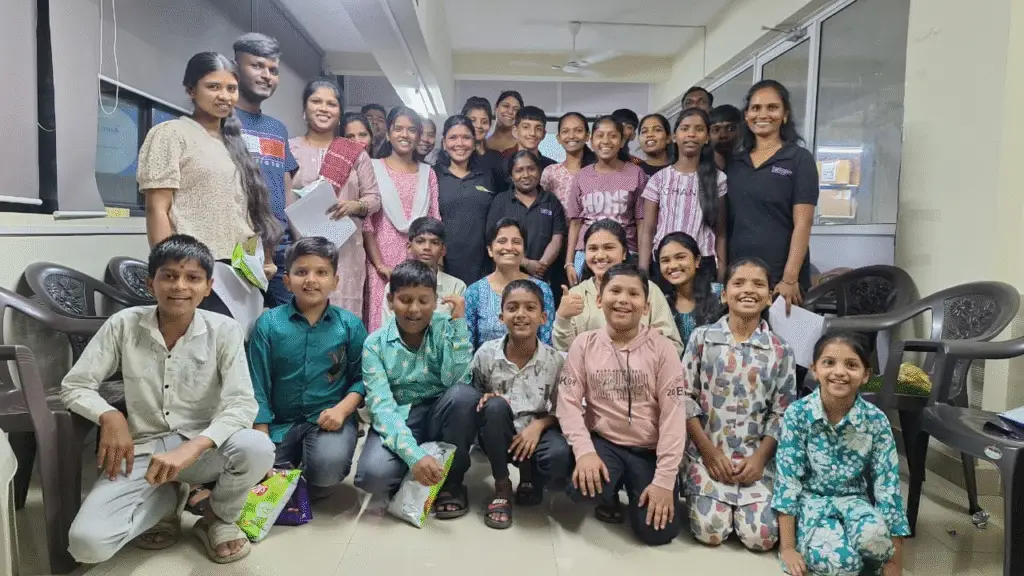
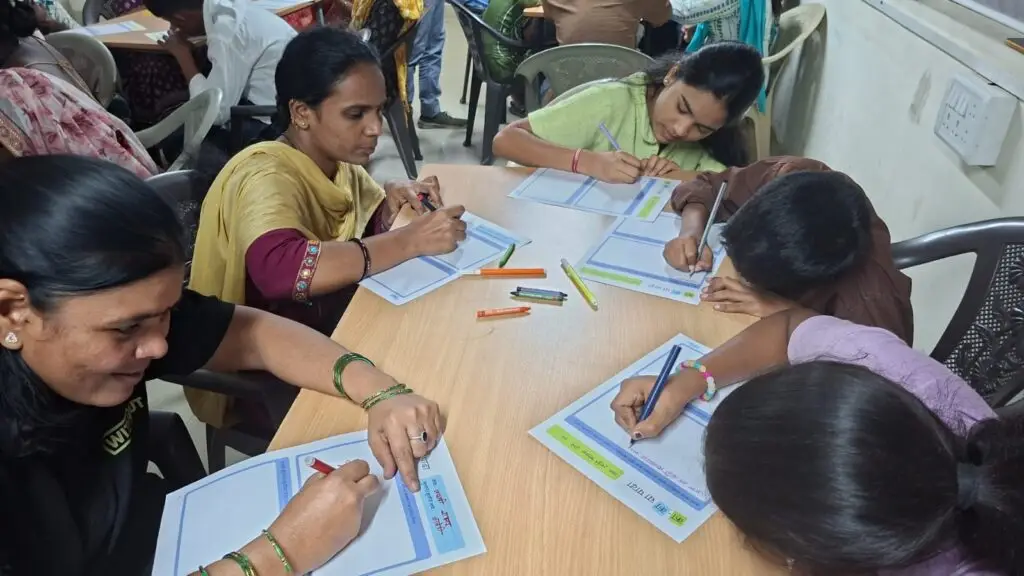
Totto Chan Club (ongoing) – In collaboration with Apni Pathshala, we run a community learning center. It’s open to students above age 10 and interested adults, with foundational learning – Math and English and digital literacy, including basic computer skills, for adults keen to learn.
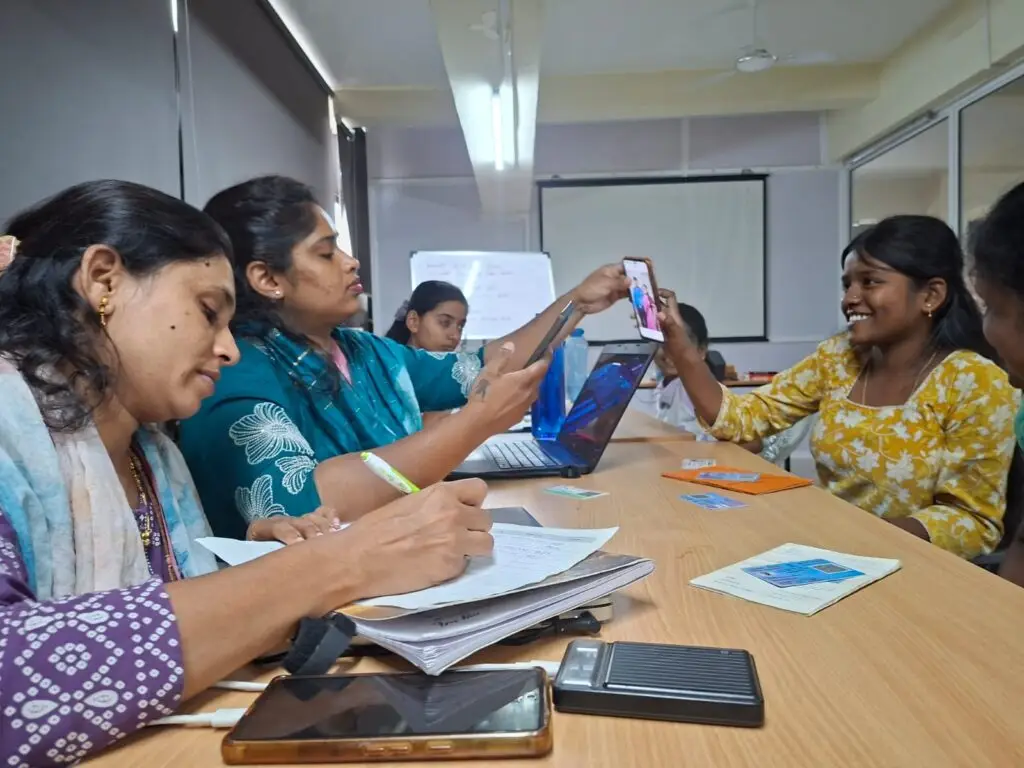
Social Protection Scheme Access (ongoing) – With Haqdarshak, we’re helping households identify and enroll in government schemes and entitlements they’re owed but haven’t claimed.
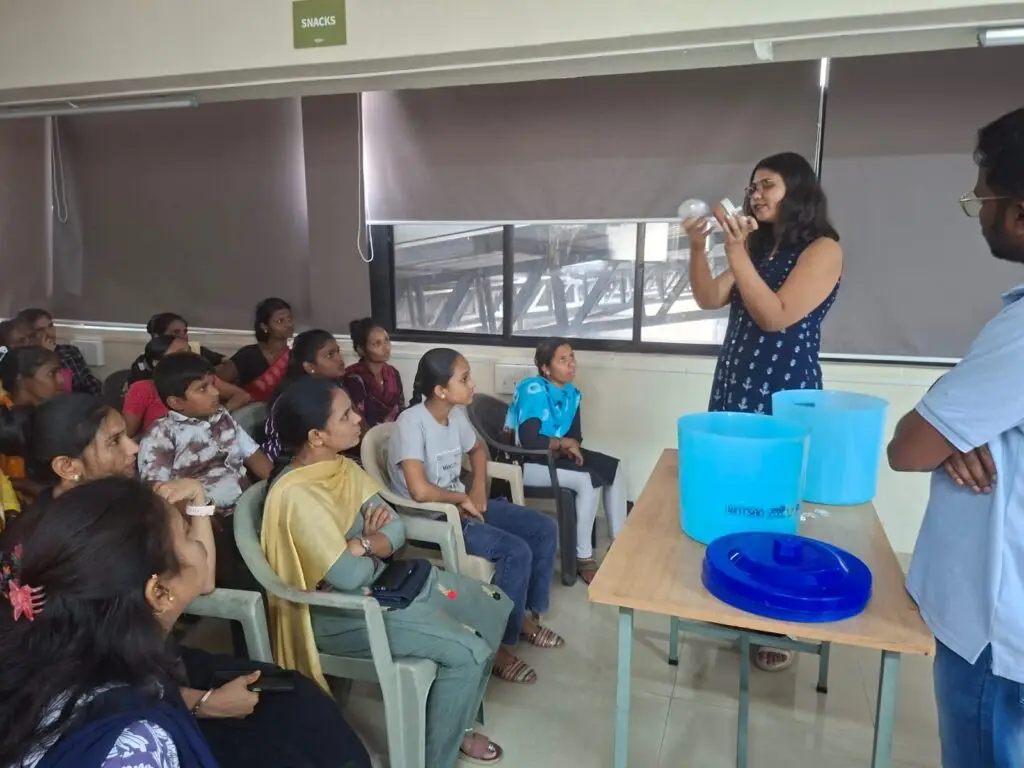
Water Filters (completed) – We delivered safe drinking water filters to every household in our cohort, in partnership with WATSAN. A one-time intervention addressing a basic, immediate health need before deeper programme work began.
Decision-Making Sessions (recurring) – Facilitated by the Foundation, these recurring sessions equip households with the skills and confidence to make informed financial, health, and everyday decisions. By reinforcing the digital financial literacy introduced through Haqdarshak, we will embed knowledge through repeated engagement, enabling lasting adoption rather than one-time awareness.
We believe in transparency about our journey, so we share not only our progress but also the lessons we learn as we refine our approach to creating lasting change.
We’re in the early stages of shaping our approach, and we’re looking for a Monitoring, Evaluation & Learning (MEL) Manager to help us build systems that track progress, evaluate success, and guide our interventions.
Help us create systems that empower marginalized communities to become informed decision-makers, driving their journey toward long-term stability, independence, and self-sufficiency.
This role sits at the intersection of data, research, and field reality. You will help us measure progress, understand what works, and track how households progress across multiple interventions, using a multidimensional understanding of poverty.
You will also play a key role in shaping what graduation and meaningful progress look like in our context. If you can think clearly, analyze deeply, and stay grounded in real-world impact, we want to meet you
Experience: 2 to 5 years of experience in MEL, impact measurement, applied research, program learning, or a similar role
Research mindset: You know how to frame questions, test assumptions, interpret evidence carefully, and avoid shallow conclusions
Measurement understanding: You understand concepts like multidimensional poverty, household-level change, intervention-level measurement, and output vs outcome tracking
Framework building: Experience contributing to, strengthening, or building MEL frameworks, indicators, baseline/endline approaches, and progress tracking systems
Data capability: Strong with Excel / Google Sheets, data structuring, analysis, and turning messy information into usable insights
Quant + qual comfort: Ability to work with both quantitative data and qualitative insights from the field
Field grounding: Exposure to community-based work and the ability to translate real-world observations into meaningful indicators and systems
Comfort with ambiguity: You are able to work in early-stage environments where definitions and frameworks are still evolving, and can help shape clarity over time
AI curiosity and initiative: Strong interest in applying AI to MEL, research, and data analysis. You are a quick learner who actively experiments with tools to improve the speed and quality of analysis, framework building, and reporting
Respect for people: You do not see people as case studies, victims, or just data points. You understand that good measurement must remain people-centred
Clarity and honesty: You care about getting to the truth, not just producing neat reports
Location: Willingness to spend meaningful time in Pune, with occasional field immersion. This is not a remote-first role
Work with the team to define what should be measured, not just how it should be measured
Help build MEL systems across individual interventions and overall household journeys, starting from early-stage hypotheses
Support the development of frameworks grounded in a graduation approach, while helping shape what graduation could realistically mean in this context
Analyse data to identify patterns, gaps, and signals of what is driving change
Work across dimensions like livelihoods, health, education, and access to systems
Engage deeply with programme teams and field realities to ensure that what is being measured reflects actual change, not just reported activity
Translate lived realities into meaningful indicators and tracking approaches
Turn insights into learning loops that help teams understand what to continue, stop, or change
Support the creation of monthly, quarterly, donor, and impact reports
Use AI and other tools thoughtfully to support analysis, synthesis, and system building, without losing context or nuance
Annual CTC: ₹5 – 7 lakh (based on experience and fit)
3-month mutual incubation period. Both you and we will have the option to end the agreement after three months if it isn’t working out
We provide benefits such as health insurance, flexible work hours (including unmonitored vacation) & paid leaves
A builder-stage role with significant ownership and room to shape systems from early on
We believe in keeping the organizational structure as flat as possible, where nobody really reports to anybody, but instead, we try and hold each other accountable for outcomes and processes
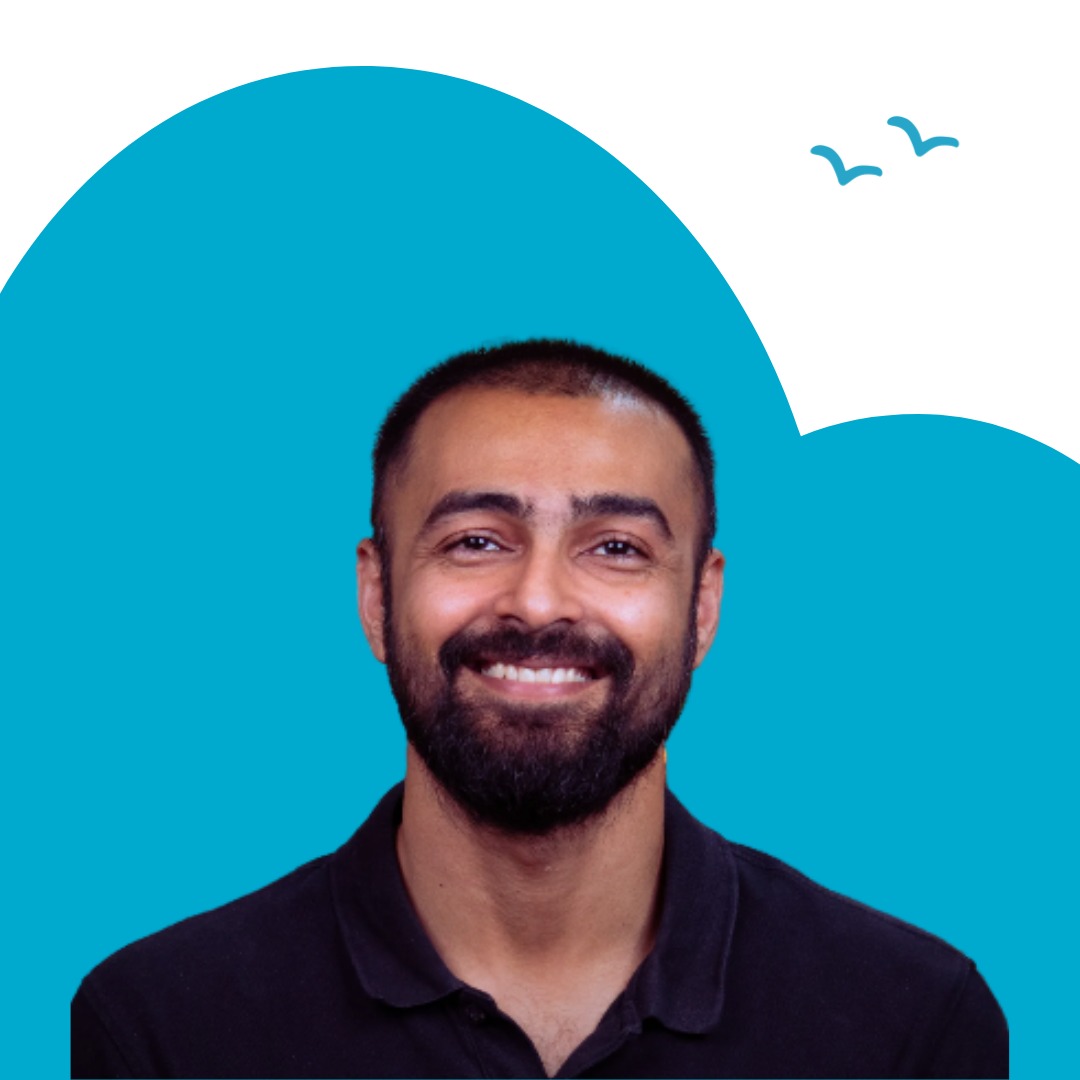
Founder of Foundation Without and Without. Over 11 years in finance,strategy, operations, impact, anddata across three continents. At Without, he drives operations, finance, R&D, and strategy. At Foundation Without, he provides strategic oversight and governance while the day-to-day is led by the Director and team.
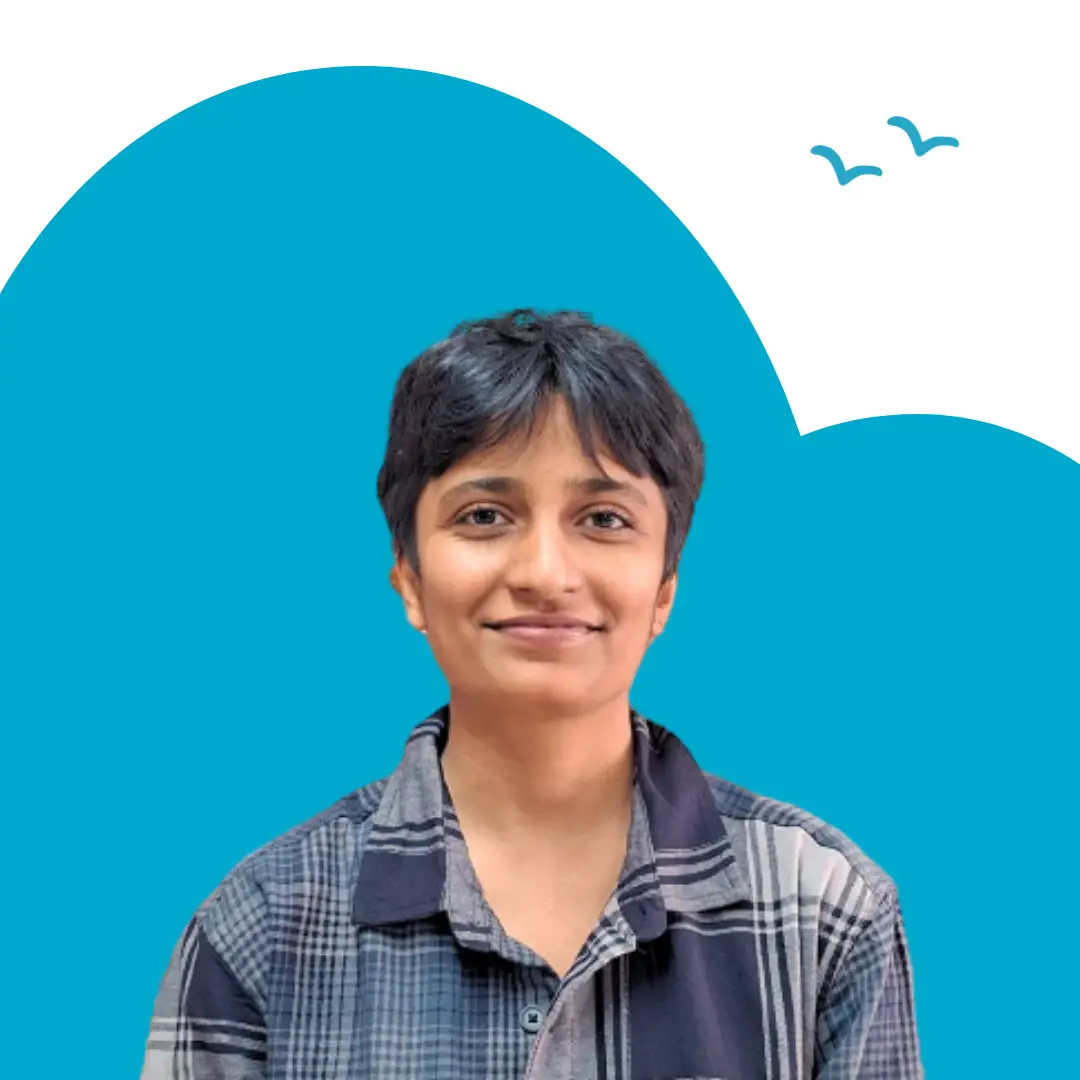
Avanti began her journey at Without® in marketing and storytelling and now serves as Impact Lead, building Foundation Without. With a background in media communication and film studies, and direct field experience through ethnographic research, her work is grounded in empathy, accountability, and deep social engagement
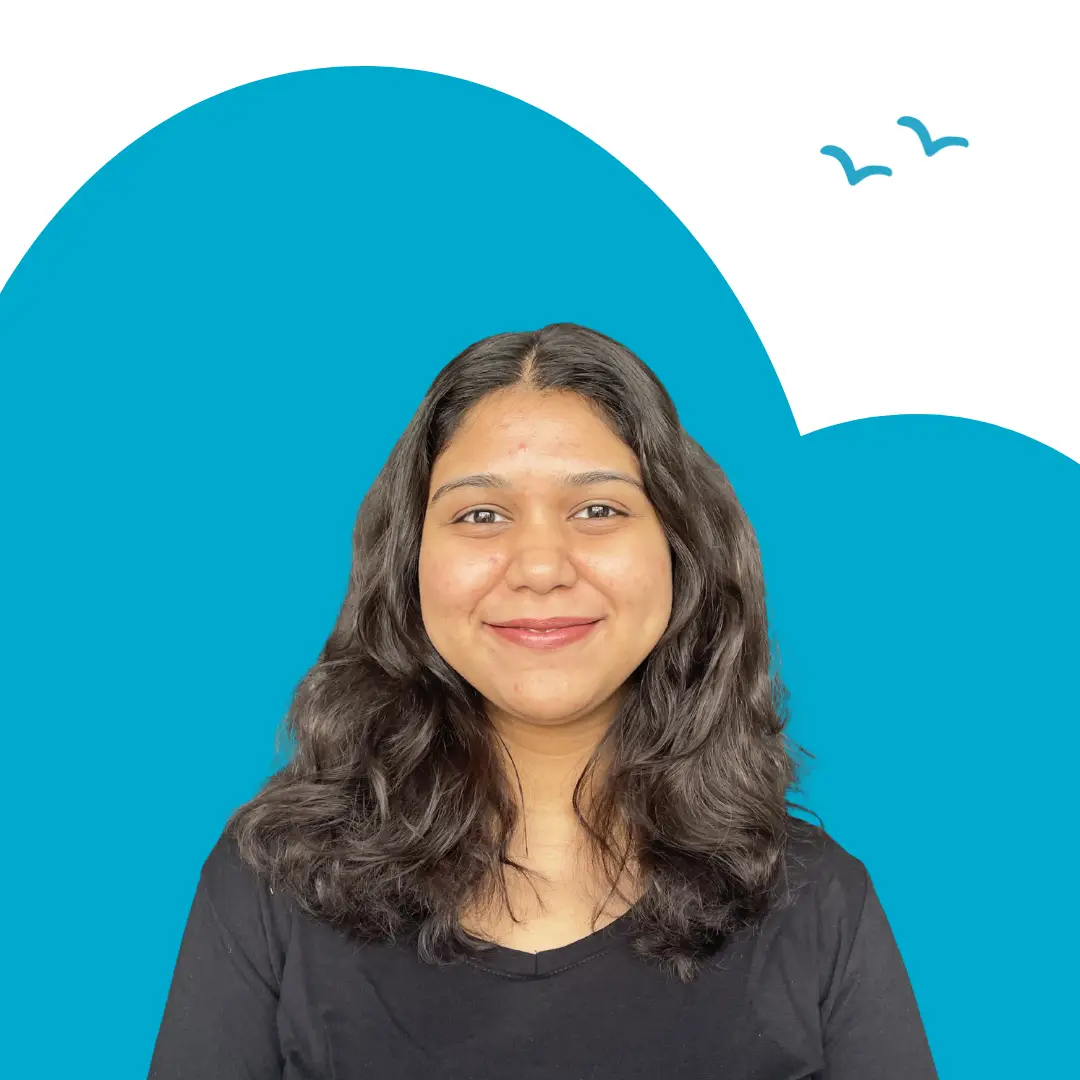
Shubham holds a Master’s in Media and Communication Studies, with experience in research, documentation, content development, and field coordination. At Foundation Without, Shubham supports field execution, data collection, and stakeholder coordination, contributing to the effective implementation of impact-driven programs.
Megha is a community-centred development practitioner trained in gender-focused development studies. At Foundation Without, she supports learner-centred program delivery and inclusive classroom facilitation, bringing empathy, structure, and dignity-first practice to community learning spaces.

Rudra is a development practitioner trained in development management with experience in community mobilisation and participatory MEL. As an MEL Associate at Foundation Without, he uses evidence and community insights to strengthen programs and accountability.
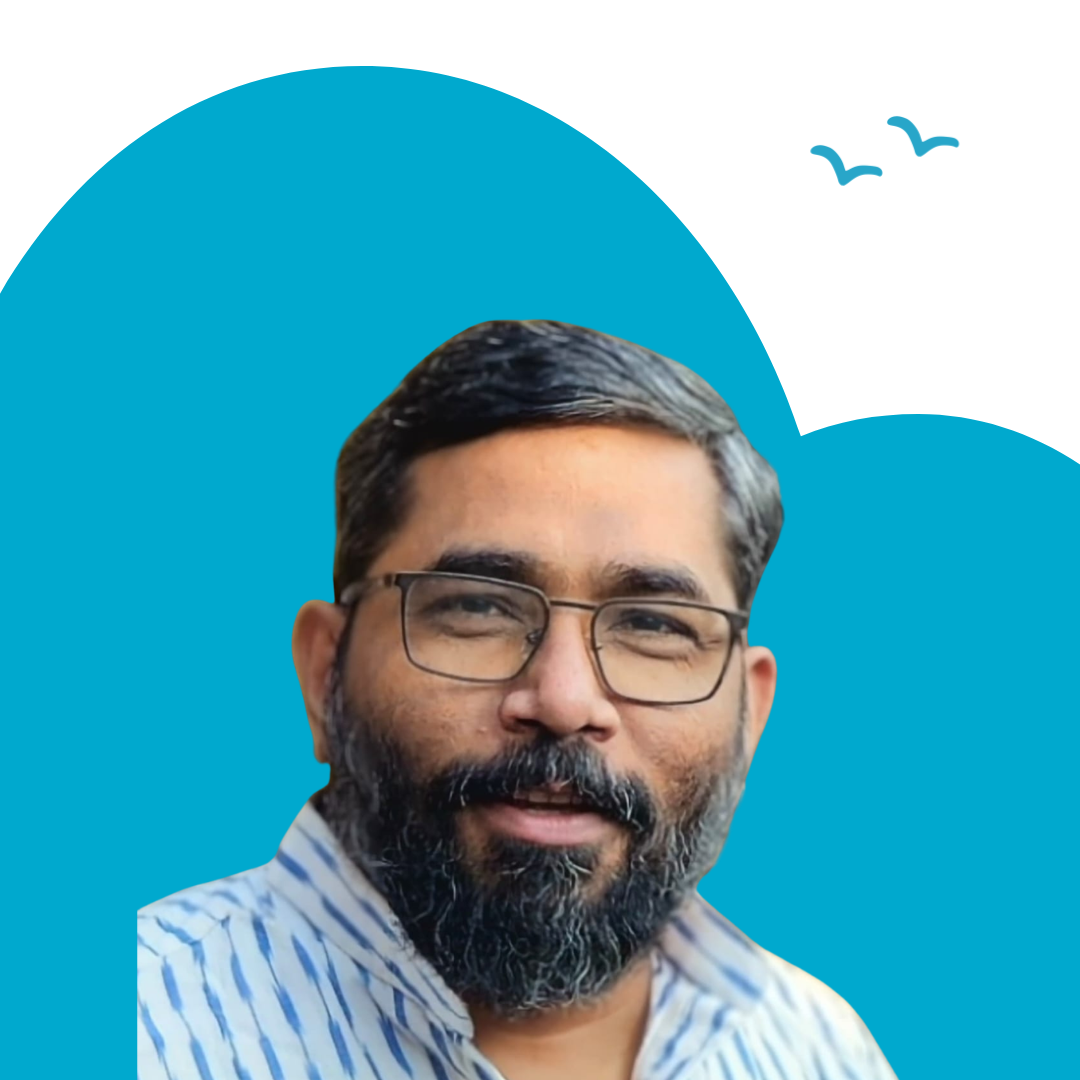
Paresh brings over 26 years of leadership in the development sector. His experience spans large-scale programme design, monitoring and impact assessment, and grassroots capacity building, including leading NITI Aayog’s Transforming Aspirational Districts Project across 85 districts. At Foundation Without, he supports programme development, MEL systems, and organisation development overall.
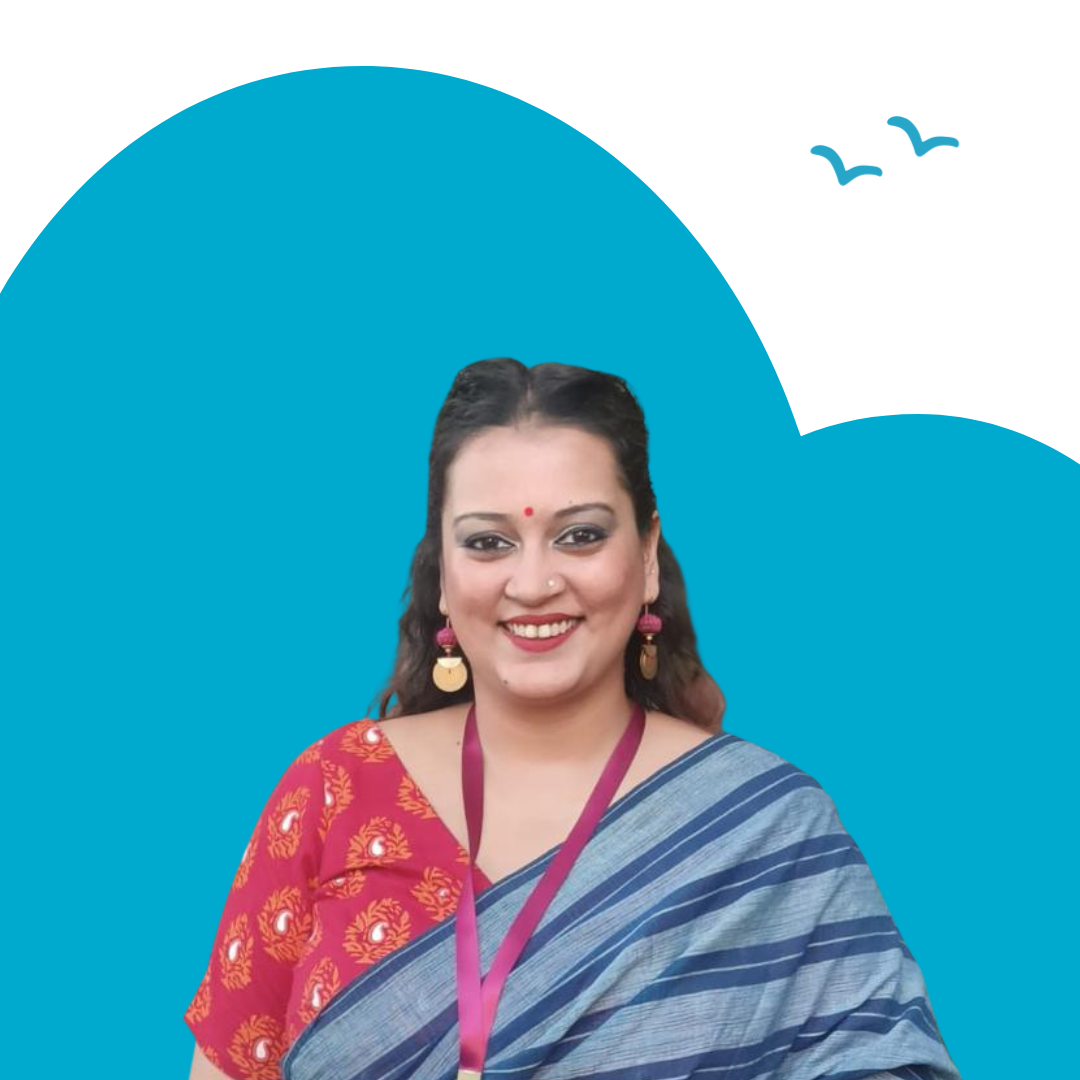
Sakhi Sinha joins Foundation Without as our Program Consultant (Education), bringing over a decade of experience in curriculum design, instructional leadership, teacher development, and education strategy. A former leader at Teach For India and Co-Founder of Micro Leaps, she has designed learning systems, trained hundreds of educators, and built programs that have reached thousands of children across diverse learning contexts.
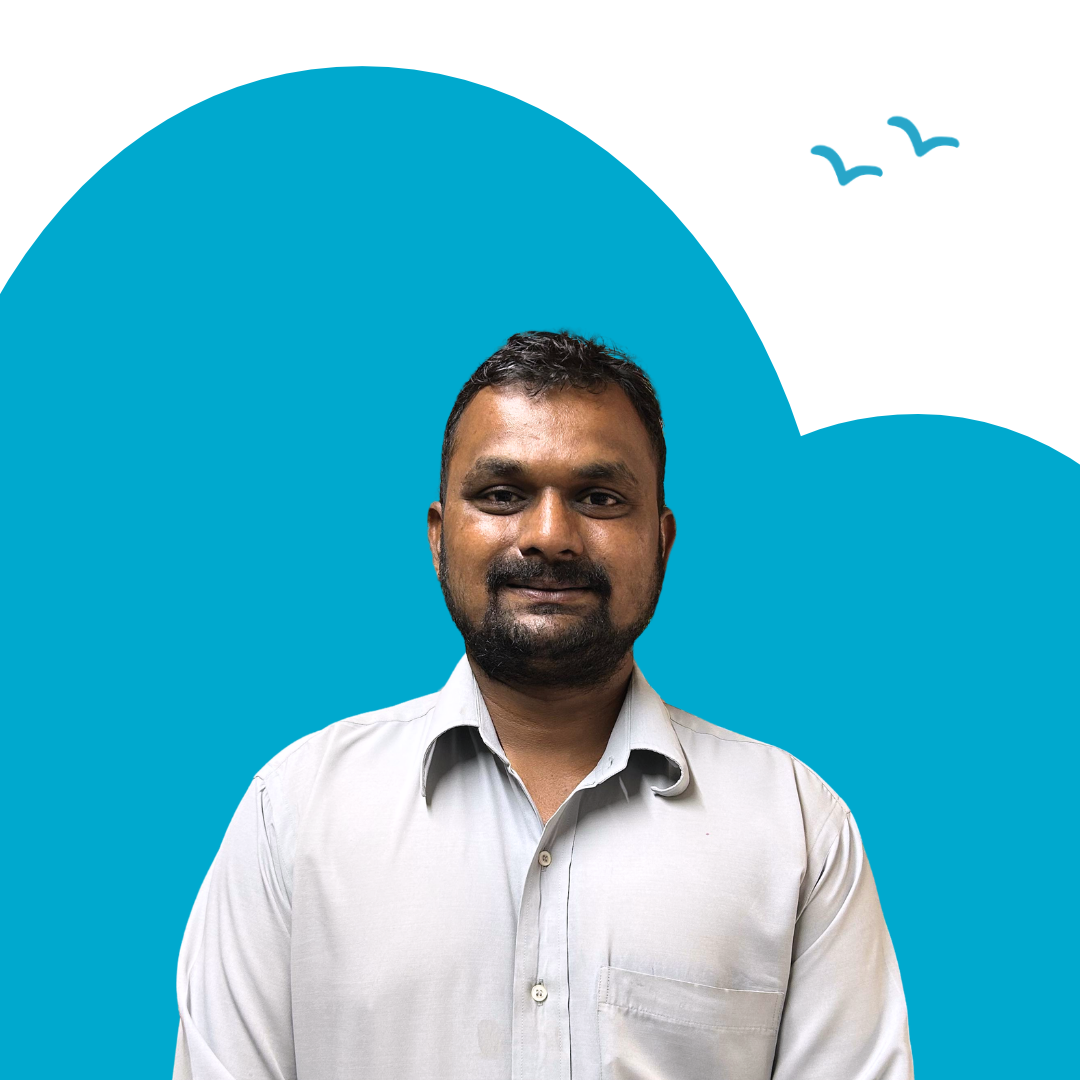
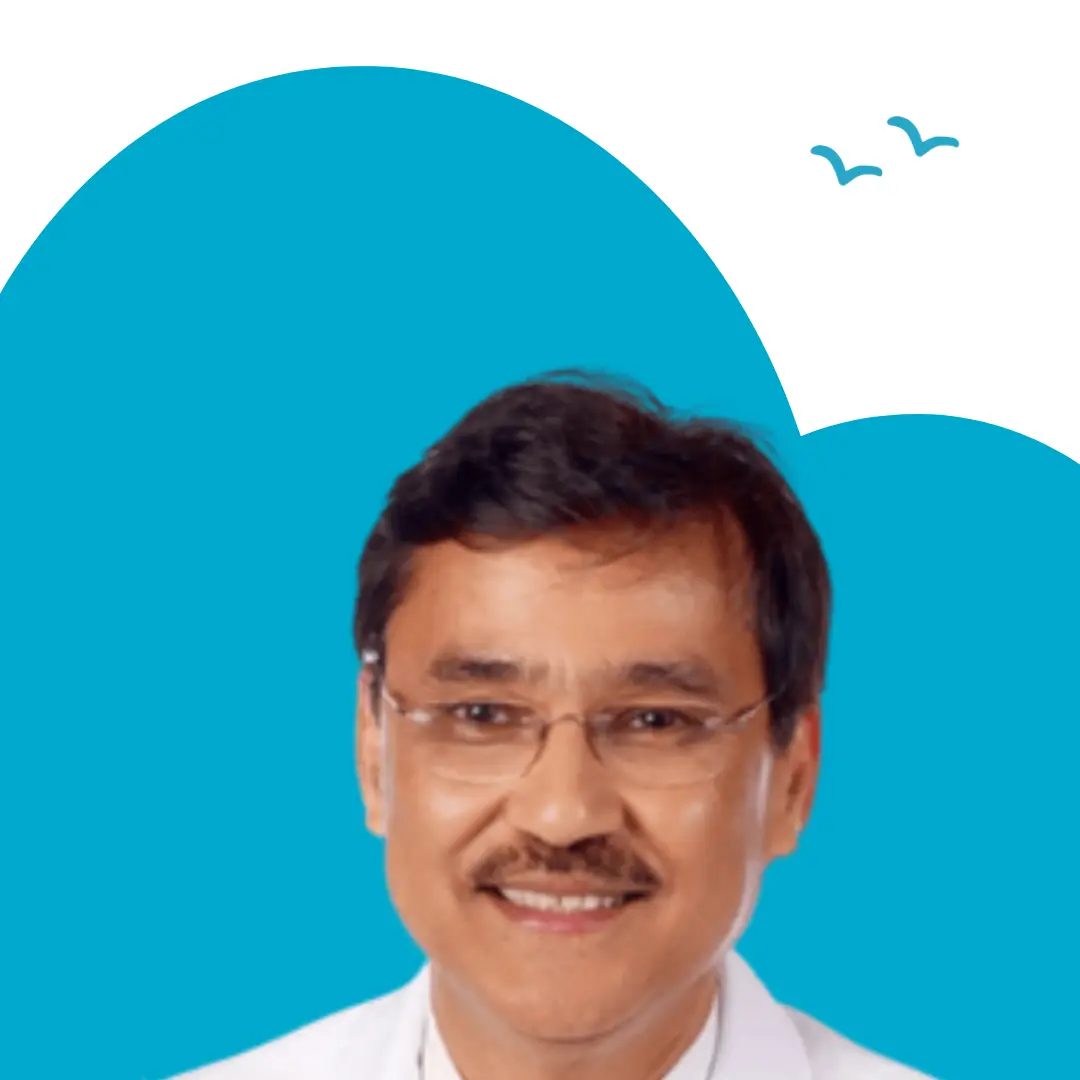
Kishore Malpani is the seed funder of Foundation Without, whose support laid the foundation for the organisation’s journey. He also serves as an advisor, offering guidance on key strategic decisions when needed, particularly around healthcare interventions, and drawing on his extensive experience to strengthen the Foundation’s work.
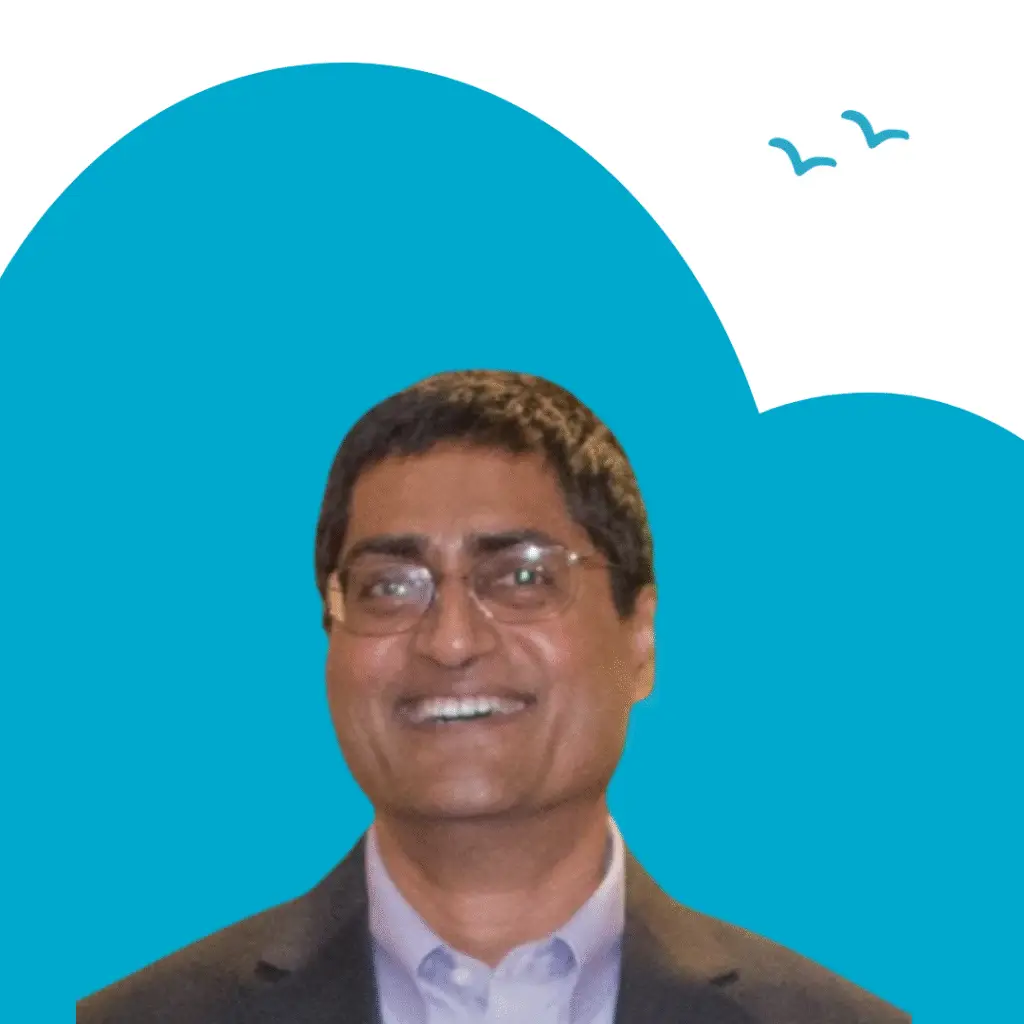
Ambarish Malpani provides strategic guidance and big-picture thinking to Foundation Without. Drawing on his experience in technology, entrepreneurship, and social impact, he helps the Foundation navigate key decisions, identify opportunities, and build for long-term, sustainable impact.
These are an amendment to the core values of Without
We lead with compassion while respecting autonomy and protecting our energy.
Always sugar-free: transparent, truthful, accountable.
Systems should reinforce fairness, not charity.
Optimism grounded in honesty.
Change is collective.
Here’s how you can help bring that future closer – donate!
Every rupee or dollar funds the deep, permanent transformation that metrics often miss. If you’re in India, donate to Foundation Without®:
Bank Details:
Registered Name: Shashwat Urja Bioenergy Foundation (Brand: Foundation Without®)
Account number – 44535634410
IFSC – SBIN0006319
Branch name – Bund Garden, Pune
We are a Section 8 company, eligible for CSR funding with 80G and 12A tax exemptions
For queries, email us at avanti@without.org.in